On any given week at our facility, we meet new vehicle owners eager to protect their investment before the first signs of wear appear. Many are surprised to learn how quickly modern paint can show damage. Today’s environmentally compliant clear coats are thinner and softer than those of years past. After a brief walkaround, they often point out small swirls, fine scratches, or early signs of road rash that appeared within days of ownership.
This isn’t poor care or bad luck; it’s the reality of modern automotive paint.
To meet stricter environmental standards, manufacturers now apply thinner clear coats that look incredible when new but lack the durability many owners expect. Highway driving, road debris, bird droppings, tree sap, bug splatter, routine car washes, and seasonal conditions all contribute to premature paint wear.
This shift in automotive manufacturing has made paint protection film one of the most practical upgrades for anyone who wants to preserve a factory-fresh finish. Unlike waxes or coatings that sit on the surface, car paint protection film is a physical barrier engineered to prevent real, measurable damage.
That solution is paint protection film, also known as automotive PPF or clear bra film, a proven protection film designed to safeguard modern painted surfaces and deliver long-term peace of mind.
In this guide, we’ll break down what paint protection film is, how it works, why it’s become essential, how to choose the right coverage, and how Phantom PPF solutions fit into real-world vehicle ownership.
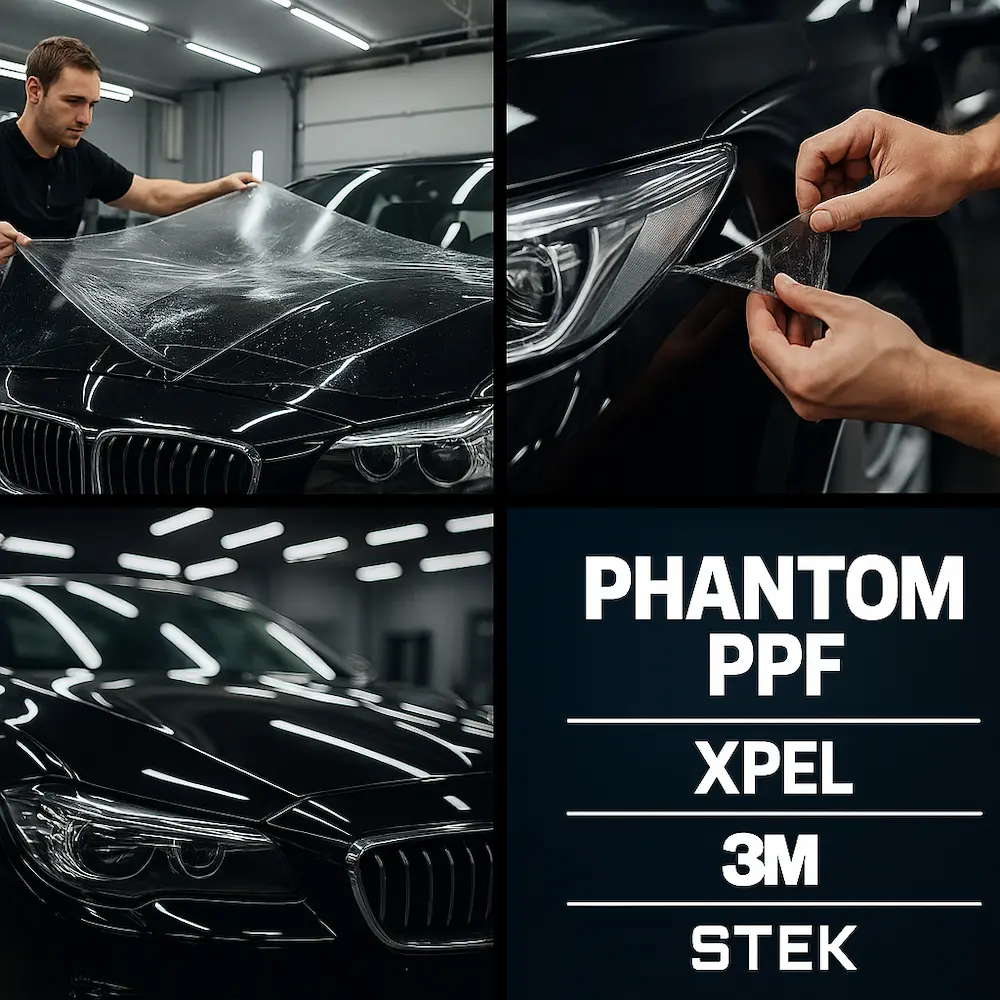
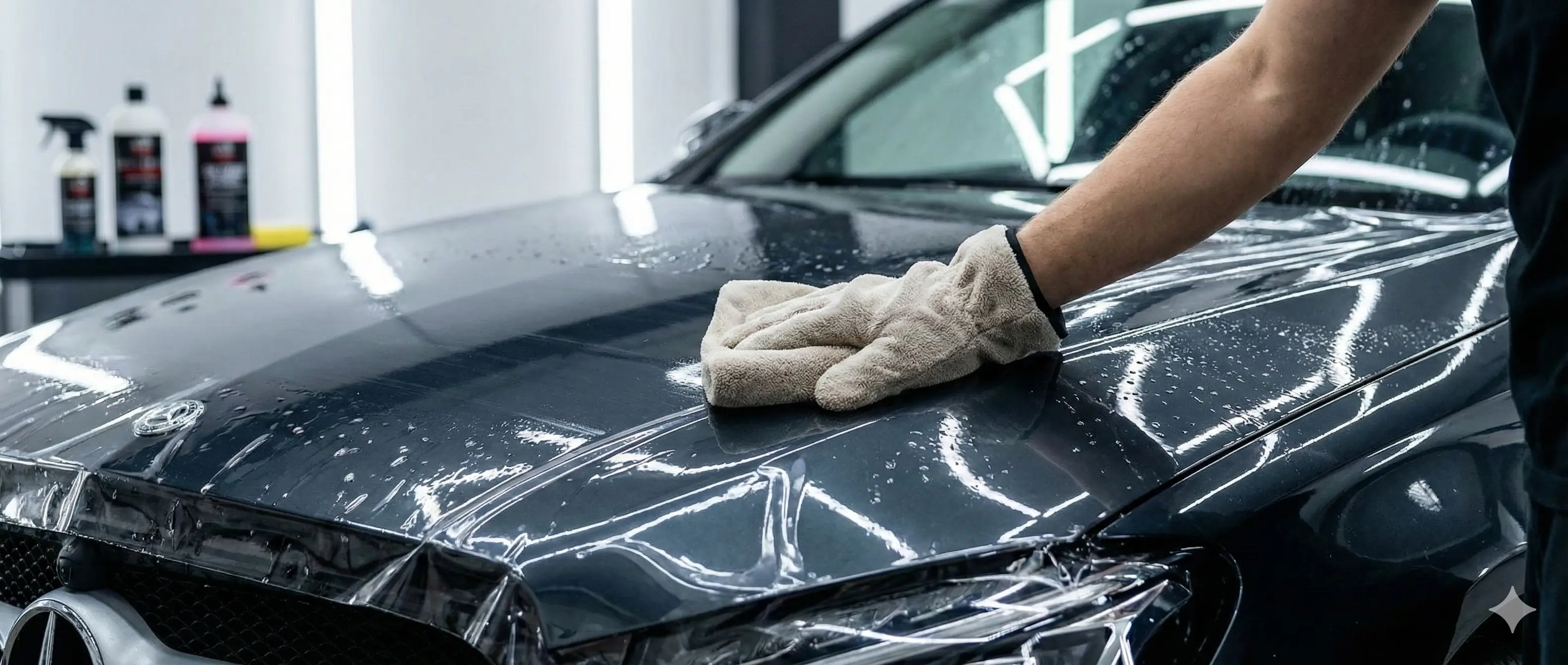
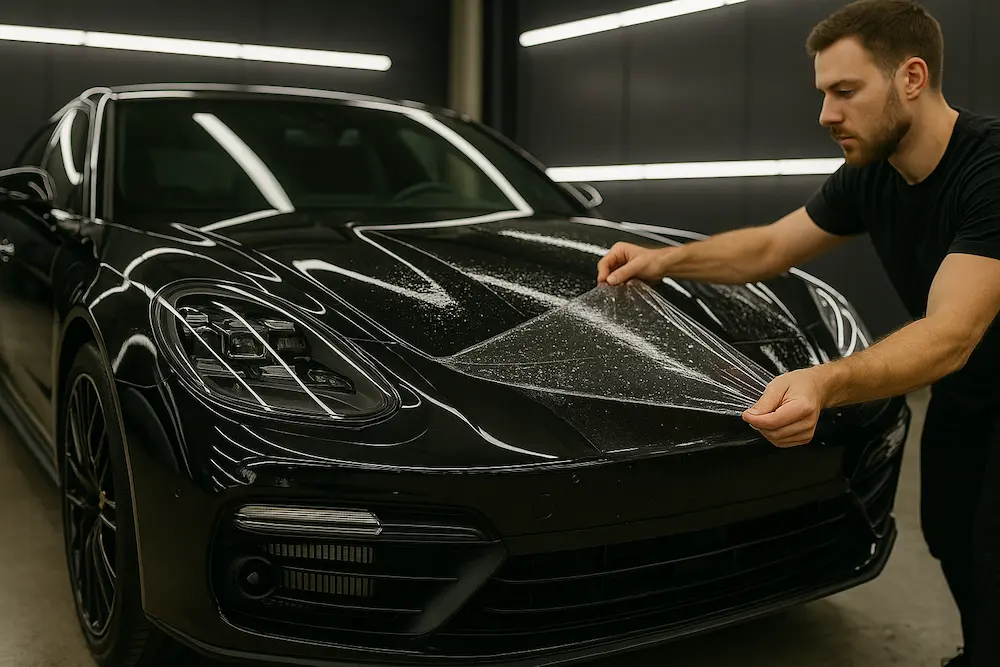
Paint protection film (PPF), also referred to as car paint protection film, automotive PPF, or clear bra film, is a transparent urethane film applied directly to a vehicle’s painted surfaces. It’s engineered to protect your vehicle from physical damage caused by road debris, environmental exposure, and daily driving.
Unlike waxes or ceramic coatings that enhance appearance but offer no impact resistance, paint protection film functions as a sacrificial layer. When debris strikes the vehicle, the film absorbs the impact instead of the paint.
Modern paint protection films use advanced thermoplastic polyurethane construction, allowing the film to remain flexible while offering exceptional resistance to tearing, punctures, and abrasion. When properly installed, high-quality paint protection film is virtually invisible and preserves the original color, clarity, and finish of factory paint, without orange peel or haze.
Factory paint systems have changed significantly over the last decade. Water-based paints and thinner, clear coats are now standard across the industry. While these finishes meet environmental requirements, they are far more susceptible to damage from:
Because the paint itself can no longer absorb this abuse, protection has shifted from cosmetic enhancement to physical defense. Paint protection film fills that gap by acting as a durable shield over painted automotive surfaces.
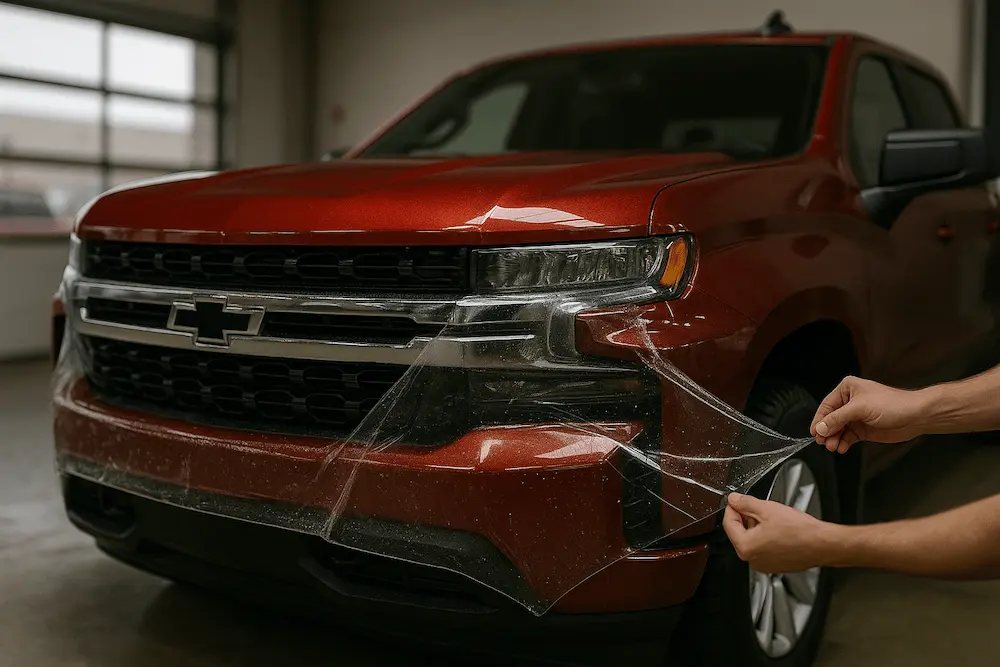
Paint protection film is not a single sheet of plastic. It’s a multi-layer system designed to perform under real-world driving conditions.
The outer layer of modern paint protection films features advanced self-healing technology. Minor scratches and swirl marks disappear when exposed to heat from sunlight, warm water, or normal driving conditions. This healing technology helps maintain optical clarity over the long term.
The TPU core is responsible for absorbing impacts from rocks, gravel, and road debris. Instead of chipping or cracking the paint, the energy is dispersed across the film.
The adhesive layer is engineered specifically for automotive clear coat. It creates a strong bond while remaining safe for painted surfaces when removed correctly.
Together, these layers allow the film to take damage so your paint doesn’t have to.
Paint protection film is designed to defend against the most common forms of exterior damage, including:
Headlights are another critical area. Because modern headlights are made from polycarbonate plastic, they’re highly prone to pitting and yellowing. Applying paint protection film to headlights helps maintain clarity and prevents premature replacement.
Paint protection film is most effective when applied to high-impact areas of the vehicle, such as the front bumper, hood, and fenders. These include the front bumper, hood, fenders, side mirrors, and headlights, areas that are most exposed to road debris and environmental hazards.
Focusing protection films for cars in these zones delivers the highest return on investment while preserving factory paint.
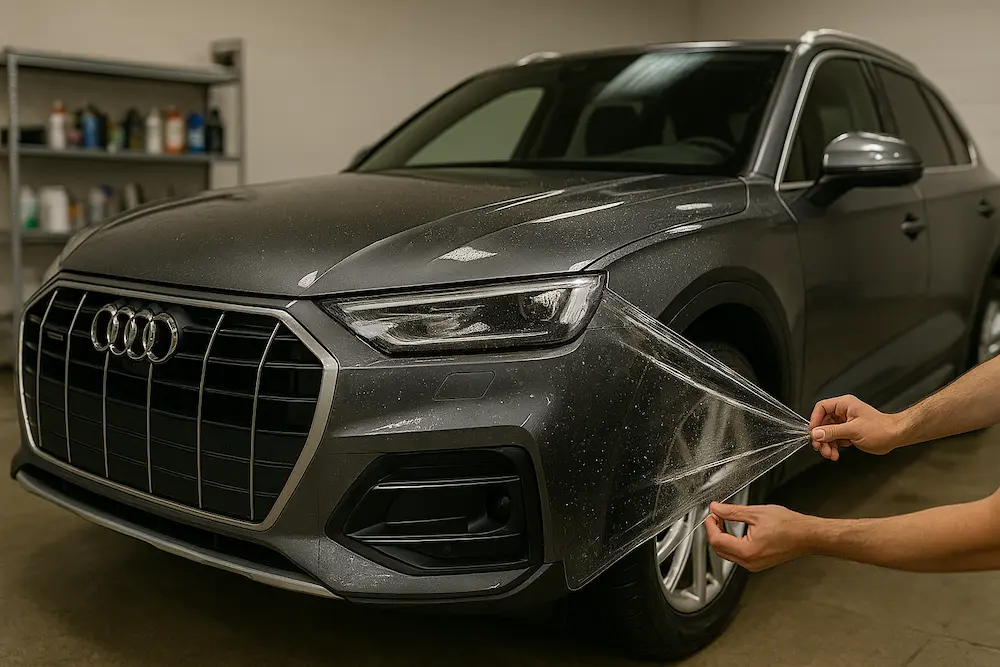
A cleaner, chip-free exterior is one of the strongest indicators of a well-maintained vehicle.
Repainting panels or repairing chips is expensive and permanently alters factory finishes. Paint protection film prevents damage before it occurs.
Unlike waxes or ceramic coatings, paint protection film absorbs physical impacts and protects painted automotive surfaces.
PPF’s hydrophobic properties make dirt easier to remove during a car wash, reducing aggressive washing that causes swirl marks and extending long-term paint health.
High-quality films preserve original color depth and clarity without orange peel.
Knowing your vehicle is protected against everyday damage provides confidence every time you drive.
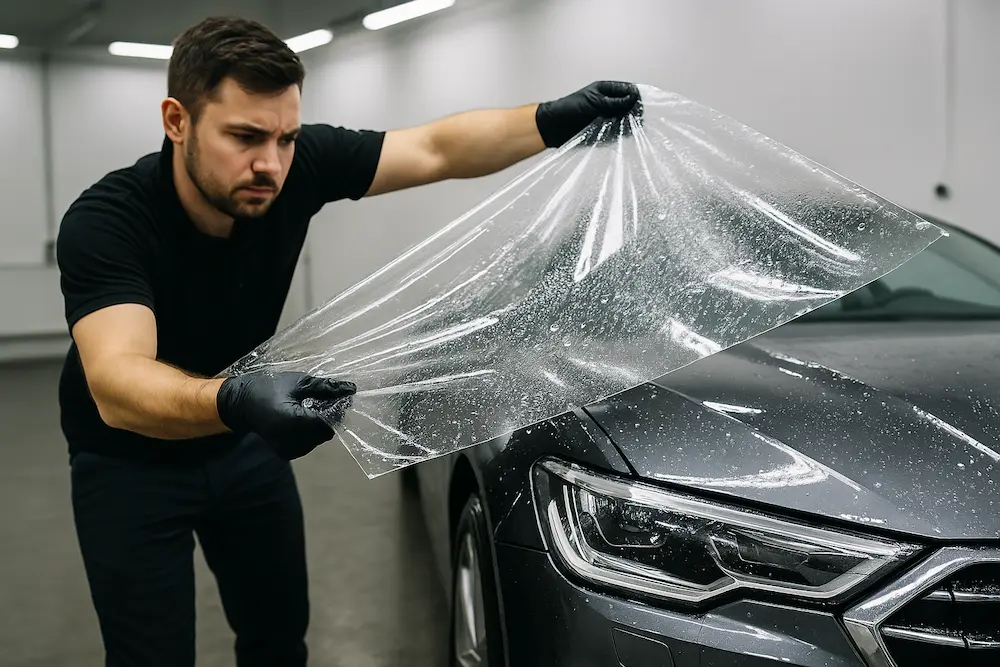
Selecting the right paint protection film depends on how you use your vehicle and what you expect from the finish. Consider the following factors:
Choose gloss or matte depending on your aesthetic goals.
Standard films are 8 mil; some premium variants go up to 10 mil for enhanced impact resistance.
Look for 7–10 year manufacturer warranties.
Important for lighter paint colors that show contamination more easily.
The installer’s experience is the most important factor in long-term performance.
Wax and ceramic coatings enhance appearance, but they do not stop physical damage.
For owners focused on preservation rather than cosmetics, paint protection film is the only solution that prevents irreversible damage.
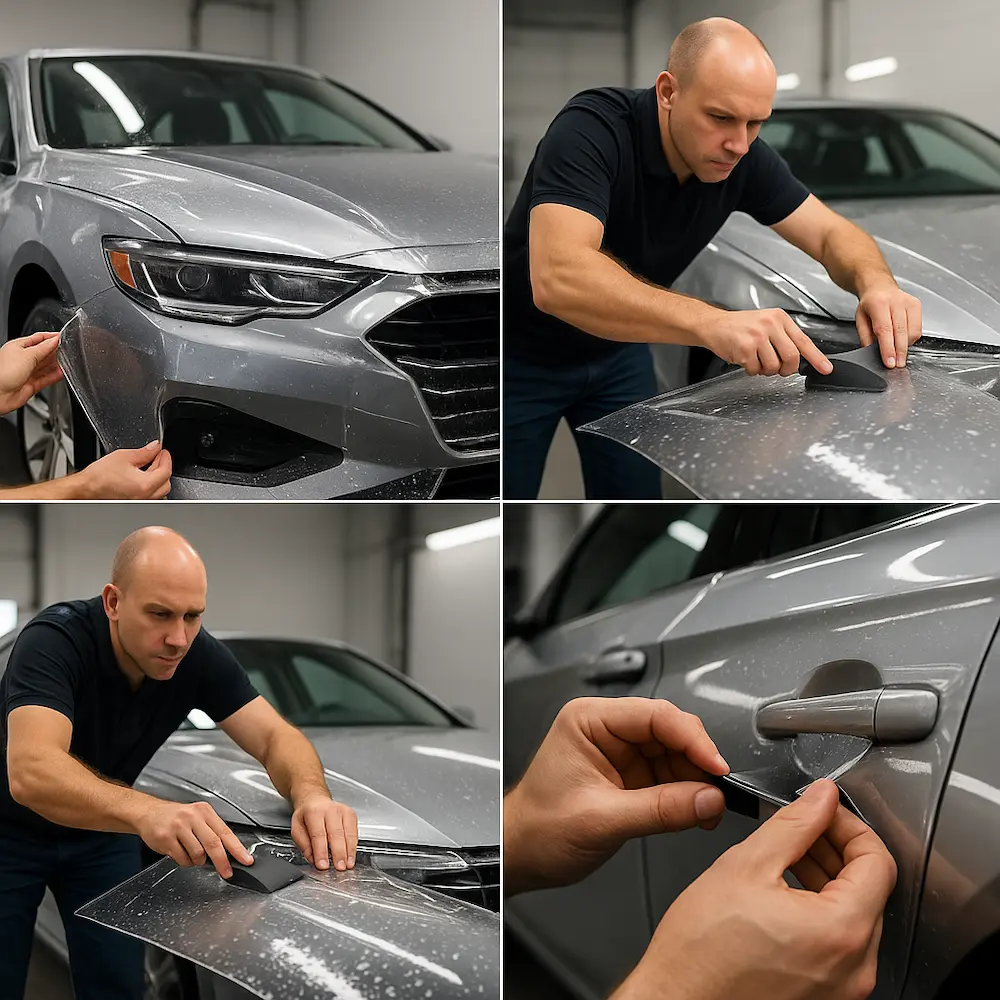
One of the most common questions vehicle owners ask is how much paint protection film they actually need. The answer depends on driving habits, environment, and ownership goals.
The front of the vehicle takes the most abuse. Highway driving, debris from other vehicles, and insects all concentrate damage on the bumper, hood, and mirrors.
That’s why many owners start with full front paint protection film kits. These kits are designed to protect the highest-impact areas, typically including:
Full front kits are ideal for:
They provide a noticeable reduction in rock chips and front-end wear.
For owners who want the highest level of preservation, full-body paint protection film kits offer comprehensive coverage across nearly all painted surfaces.
Full body coverage typically protects:
This level of protection is ideal for:
Full-body PPF ensures that every painted surface is shielded from daily wear.
Paint protection film isn’t limited to a single look.
Gloss paint protection film is designed to be virtually invisible while enhancing depth and shine.
Matte paint protection film preserves factory matte finishes or allows owners to transform gloss paint without repainting, while maintaining full impact protection.
Different manufacturers use distinct paint systems, body lines, and finishes. Selecting the right PPF finish becomes even more important when working with vehicle-specific designs.
Because Phantom PPF kits are precision pre-cut by make, model, and generation, each finish is engineered to align cleanly with factory body lines, whether applied to a Ram 1500 TRX, a BMW M-series, or a Tesla Model lineup.
This vehicle-specific approach ensures consistent appearance, accurate edge alignment, and professional results regardless of finish choice.
Paint protection film isn’t limited to exterior panels. Interior automotive surfaces, especially high-gloss trim, are constantly exposed to friction and wear.
Interior protection film helps protect:
Protecting these areas preserves interior appearance and prevents permanent scratches.
For most vehicle owners, yes.
PPF protects against rock chips and paint damage that would otherwise require repainting, often a more expensive and permanent alteration. The value becomes even clearer for:
By reducing damage and preserving paint quality, PPF pays for itself over time.
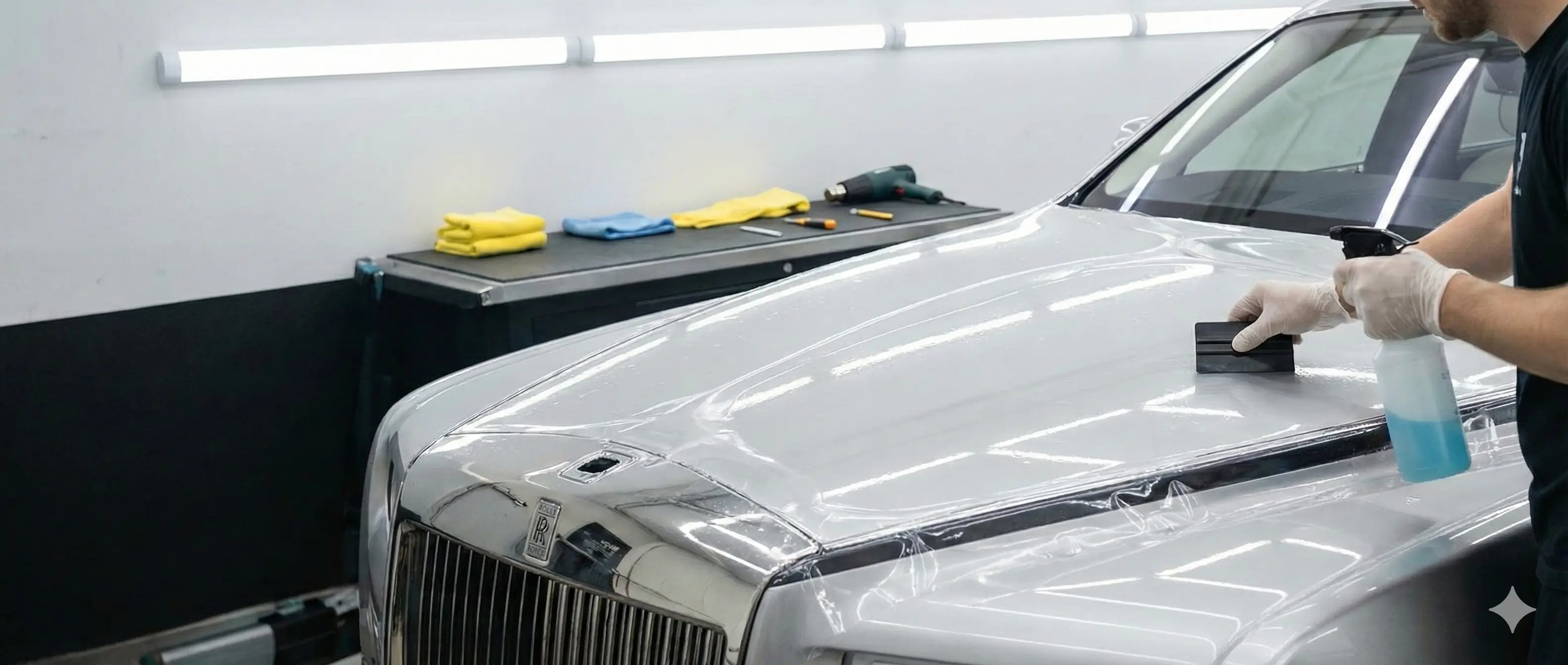
Professional installation ensures precise alignment on complex automotive surfaces and is ideal for owners who prefer a hands-off approach.
Advancements in pattern design have made DIY installation far more accessible. Phantom PPF offers precision-cut kits designed specifically for at-home installation.
With a detailed DIY paint protection film installation guide, owners can achieve clean, professional results without bulk film handling.
A professional installation includes:
Skilled technique ensures clarity, proper adhesion, and long-term durability.
When installed correctly and maintained properly, high-quality paint protection film typically lasts 7–10 years or more, depending on:
Most premium films include long-term warranty coverage.
Can I buy paint protection film kits online for DIY application?
Yes, you can buy paint protection film kits online, and Phantom PPF offers high-quality, precision-cut DIY kits designed specifically for at-home installation. These kits are engineered with professional-grade film, pre-cut for your exact make and model, making installation far more accessible than traditional bulk-roll PPF.
Can I put PPF on myself?
Yes, you can install PPF yourself, especially when using Phantom PPF’s precision-cut DIY kits that are specifically designed for at-home application. Unlike bulk film that requires advanced wrapping skills, Phantom PPF provides vehicle-specific patterns, clear installation instructions, and accessible guidance to help owners achieve clean, professional-looking results on their own.
Is it difficult to install PPF?
Not when utilizing Phantom's self-assembly kits. They’re pre-cut for your exact vehicle and come with guidance, making installation much easier than bulk film.
Can a car with PPF go through a car wash?
Yes. After 7–10 days, touchless washes are best to maintain the film’s clarity.
Is PPF cheaper than a vinyl wrap?
No. Wraps are cosmetic; PPF offers real protection, so it typically costs more but delivers greater long-term value.
Is PPF good or bad for cars?
Good. It protects paint from chips, scratches, and UV damage while preserving resale value.
How does PPF look after 5 years?
Still clear and glossy when using high-quality film and proper maintenance.
What are the side effects of PPF coating?
None when installed correctly. Issues only occur with low-quality film or poor installation, not with Phantom’s precision-cut kits.
What are the top-rated clear paint protection films for luxury vehicles?
Look for high-clarity, self-healing, UV-resistant films. Phantom’s premium-grade film meets these standards and suits luxury and performance vehicles.
Paint protection film has evolved from a niche enthusiast upgrade into a practical necessity for modern vehicles. With thinner factory paint and increasingly harsh driving conditions, preserving your vehicle requires proactive protection.
Paint protection film delivers real, physical defense against damage while reducing long-term repair costs and maintaining resale value. Whether you choose targeted full front coverage, comprehensive full body protection, or a precision-cut DIY kit, PPF provides confidence and peace of mind every time you drive.