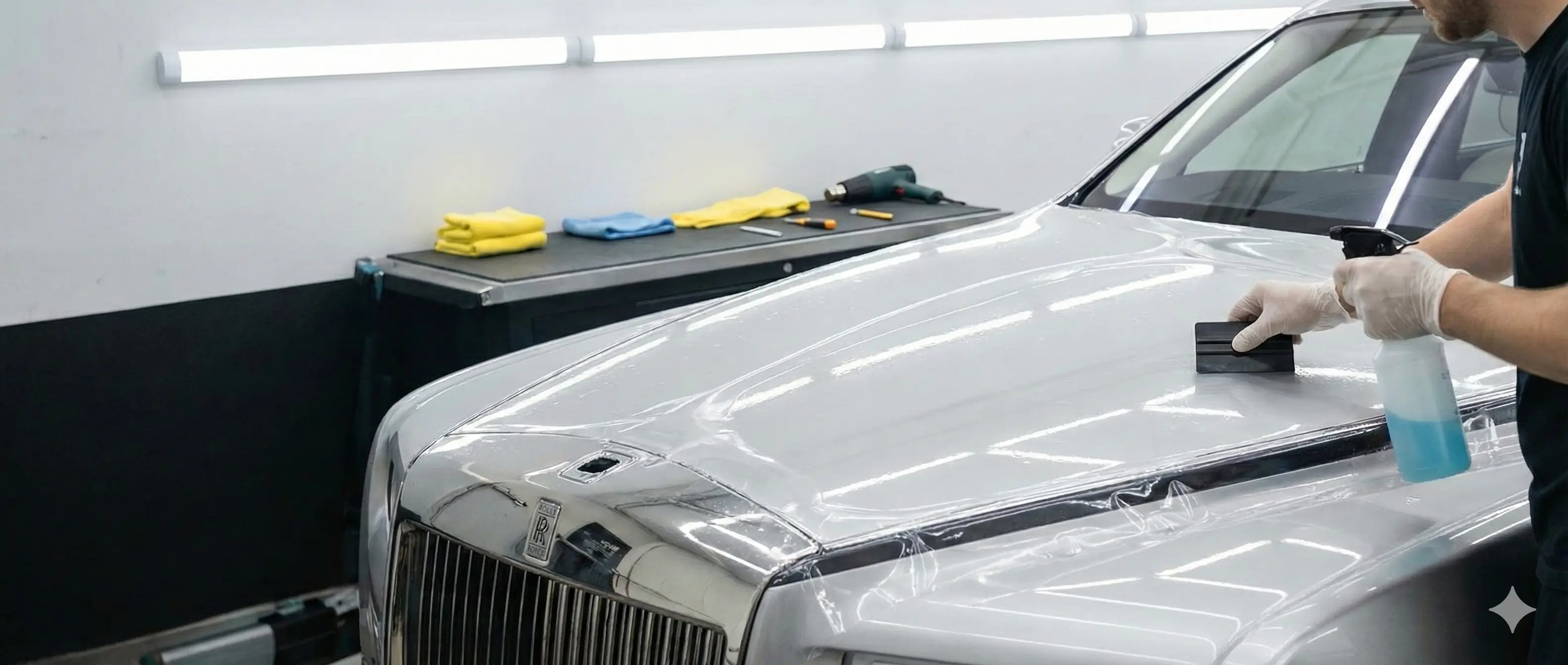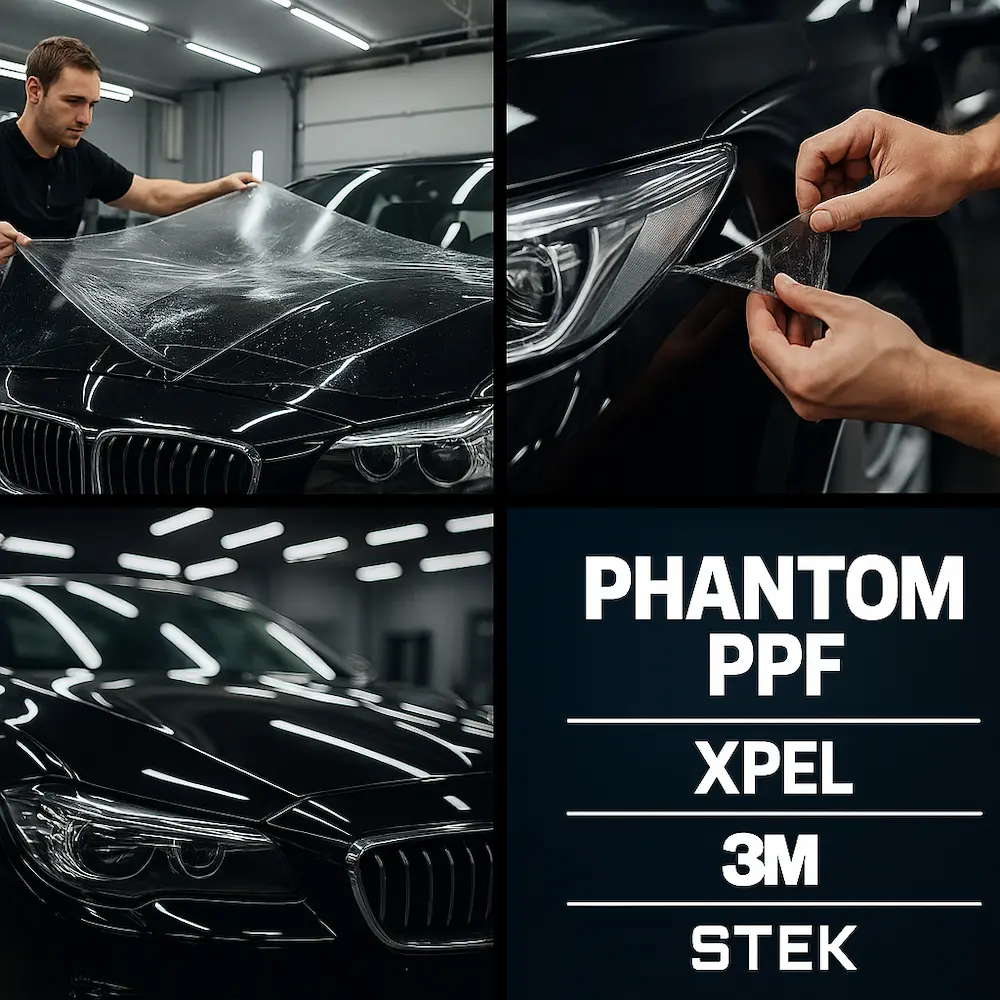
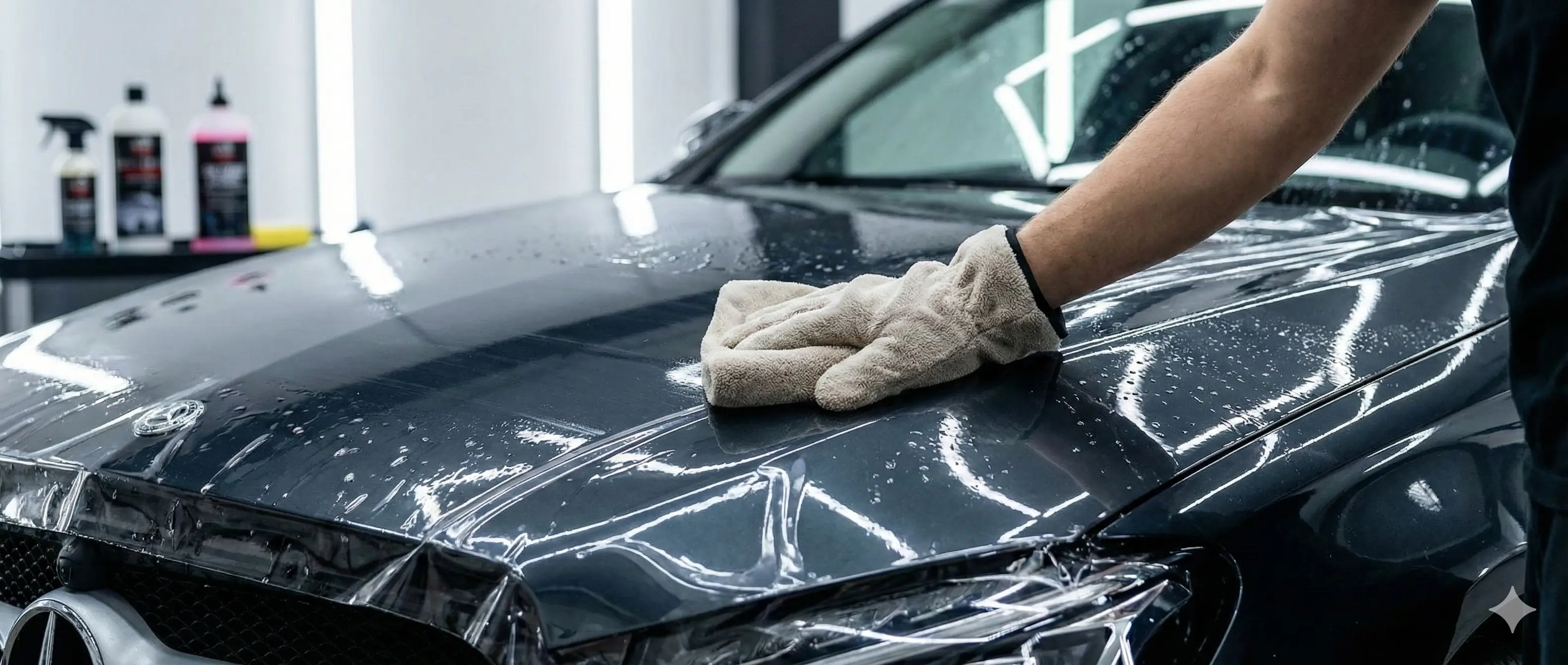
The merely initial move is the painting of your automobile with paint protection film. Nevertheless, the real saving of your investment is how well you manage and care for it after that. Proper aftercare helps keep the film transparent, shiny, and at its highest performance for a long time.
Phantom PPF Care Guide is a platform for information exchange between average car owners and professionals in the automotive industry on a wise approach that not only prolongs the film's lifespan but also preserves its appearance.
The aim of Phantom PPF is to give the user the best long-term protection rather than just short-term brilliance. When you observe a proper Care & Maintenance routine, your PPF will be hardly noticeable yet still effectively protect your paint surface from everyday wear and tear.
Paint protection film is certainly not fragile, but it still requires attention now and then. Dust and other pollutants, as well as the product of chemical reactions, can accumulate on the surface; thereby, cleaning it with hard water will help the dirt to settle more thoroughly. In the long run, the uncleaned film will have its transparency reduced and its performance compromised.
In order to maintain a set of PPF care instructions, one needs to:
Aftercare is the only thing that has a direct impact on the lifespan of the vehicle, be it a car or one of personal use.
The time during which the film is bound to the body of the car is very important. The adhesive is definitely the one that is most in need of help, especially when it is still very young.
Do this:
Avoid this:
Good Care and Maintenance habits are always decently started from day one.
Cleaning is usually the major point where most errors are made. The positive thing is that understanding the proper method of cleaning PPF is not complicated.
Best washing practices:
Keep away from automatic car washes with rough brushes. Over time, they may dull the surface and lift edges. A gentle wash is a way to retain the film's fresh and glossy look.
Not every car care product is a friend of the film. Inflammable cleaners may cause top-layer damage or a decrease in the self-healing feature.
While picking safe PPF chemicals, consider these points:
Stay away from the most potent degreasers, bug removers with harsh solvents, and use of acidic wheel cleaners on panels that are protected. The use of correct PPF safe chemicals ensures that the car stays clear and prevents long-term staining.
This is one of the most common questions: can you clay bar PPF?
Yes—but only with caution.
Clay barring is acceptable if:
Never use aggressive clay. Light contamination removal is safe, but overdoing it can reduce gloss. If you’re unsure, test a small area first. When done correctly, can you clay bar PPF becomes a safe, not a risky gamble.
Impurities should not be left to stay for a long time. Even if PPF resists staining, prolonged exposure can still leave marks.
Here are some helpful removal tips:
Fast execution is one of the elements of smart Care & Maintenance and it serves as a prevention of permanent damage.
Phantom PPF is equipped with cutting-edge self-healing technology. The light swirl marks and wash marks vanish if heat is applied.
The heat sources can be:
The operation of this attribute is at its maximum when the film is clean. The dirt on the surface restricts the healing process, which is the reason why following a regular PPF maintenance guide is important.
If you want your film to last 7–10 years, consistency matters.
Pro tips:
These habits support durability and keep the film nearly invisible.
For B2B users like dealerships, detailers, and fleet managers, standardized care processes are essential.
Create a written PPF maintenance guide for staff. Use approved wash products only. Train teams on what not to use. Consistent methods reduce replacement costs and protect brand image.
Knowing how to clean PPF properly across multiple vehicles saves time and money.
Phantom PPF is built with the core attributes of longevity, visual appeal, and simplicity of maintenance in mind. Each kit that is precisely cut features the use of premium quality self-healing film, a material that is highly durable through the regular wear and tear of the day, but at the same time, is almost invisible.
On top of a 10-year warranty and the confidence of both users and professionals carrying it, Phantom PPF is the one that gives you the protection that is both long-lasting and aesthetically pleasing to the eye.
Preserve the paint. Keep your money safe. Choose Phantom PPF for endless flawless looks.
The paint protection film is your everyday hard worker. If you maintain good habits, it will offer you its services for years with clarity, gloss, and confidence. Good aftercare doesn’t have to be complicated—it just needs to be consistent.
Knowing how to clean PPF, selecting safe PPF chemicals, and getting things like can you clay bar PPF right will guarantee that personal and professional users will have performance for a long time to come.
1. How often should I wash my car with PPF?
It is perfectly fine to wash the car with PPF every 1–2 weeks to keep it clean and free from buildup and staining.
2. Are pressure washers safe on PPF?
Yes, but only if the pressure washer is used at a safe distance and is not pointed directly at the edges.
3. What safe PPF chemicals should I avoid?
Never expose your PPF to the following: harsh solvents, abrasive polish, and acid cleaner.
4. Can you clay bar PPF without damaging it?
Indeed, it is possible when one uses fine clay and adequate lubrication after complete curing.
5. Does PPF turn yellow over time?
PPF made of high-quality films like Phantom is urethane-based and is very resistant to yellowing if proper care and maintenance are observed.